Seoul Kalguksu Price 2026: Average Bowl Now 10,038 Won — Here's How to Tell If You're Overpaying

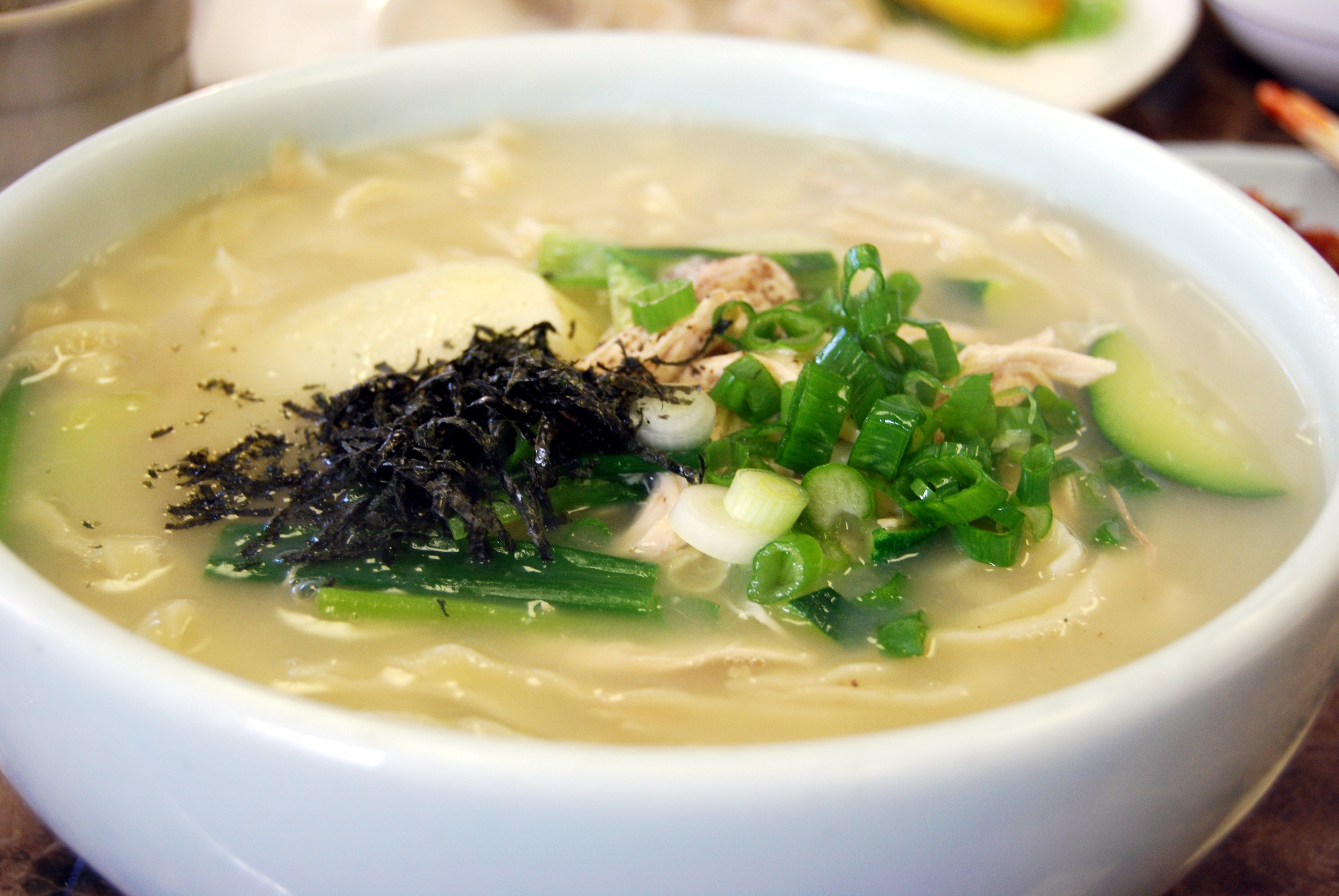
Bottom line: In Seoul, paying around 10,000 won for a bowl of kalguksu (knife-cut noodle soup) means you're paying the average price; pay a lot more than that and you're likely paying a tourist-area premium. According to the Korea Consumer Agency's official 'Chamgagyeok' price survey, Seoul's average kalguksu price hit 10,038 won in March 2026, crossing 10,000 won for the first time ever.
If you didn't know: Without knowing this average, a menu price of 15,000-20,000 won gives you no way to judge whether it's reasonable or inflated. The same survey shows Seoul kalguksu rose 0.7% from the previous month's 9,962 won, and 5.3% from a year earlier. In the same survey, naengmyeon (cold noodles) averaged 12,538 won, jajangmyeon 7,692 won, and gimbap 3,800 won — worth remembering so you can quickly spot a menu price that's noticeably above average. For reference, Jeju had the highest average kalguksu price nationwide, at 10,375 won.
Per the Korea Consumer Agency's Chamgagyeok data for March 2026, Seoul's average kalguksu price is 10,038 won (up 0.7% from 9,962 won the previous month, up 5.3% year-on-year). In the same period: naengmyeon 12,538 won, jajangmyeon 7,692 won, gimbap 3,800 won. Highest regional average: Jeju at 10,375 won.
Kalguksu is wheat-dough noodles hand-cut or machine-cut like a knife blade, boiled in a broth usually made with anchovy, clam, or chicken, and the hot broth with chewy noodles is especially popular in cold weather. Most kalguksu restaurants are fine with a single diner ordering one bowl, and chains and larger shops naturally take cards, though some old-school family-run places accept cash only — check the sign near the entrance or register before you sit down. Menus are usually split into clam (bajirak), perilla-seed (deulkkae), anchovy (myeolchi) and chicken (dak) kalguksu, priced 2,000-5,000 won apart depending on the ingredients, so note which type you're looking at when comparing to the average.
Restaurants in heavily touristed areas or those featured as famous local spots often charge above average — which isn't necessarily a rip-off, since rent and ingredient quality can differ. Still, if a place in an ordinary neighborhood charges noticeably more, or quotes a price verbally with no menu board at all, it's worth double-checking before you order.
Journey stage: ④ During the trip · Verified 2026-10-13
This story was written against the original sources below, checked as of 2026-10-13. Sources: biz.sbs.co.kr
Read next
- 2026-11-27Seoul Explorers Exhibit 2026 — Free at City Hall, Hands-On Program Just 120 Spots
- 2026-11-27YUURI Live Seoul 2026 — Dec 5-6, INSPIRE Arena, Shuttle Wait Over 1 Hour
- 2026-11-27Daelim Changgo Seongsu 2026 — Cafe Hours, Address and How to Reach Seoul Forest
- 2026-11-27Seoul Grand Park 2026 — One Subway Ride, Zoo ₩5,000
- 2026-11-27Seoul Nail Salon Price 2026 — Hongdae Gel Manicure From ₩40,000, Non-Members Pay 10% More
- 2026-11-26UNFOLD X 2026 Opens Today — Free Art-Tech Show at Seoul Station 284