After Chuseok, Noryangjin's Male Blue Crab Prices Spiked — How to Enjoy Autumn's Peak Season Without Getting Burned

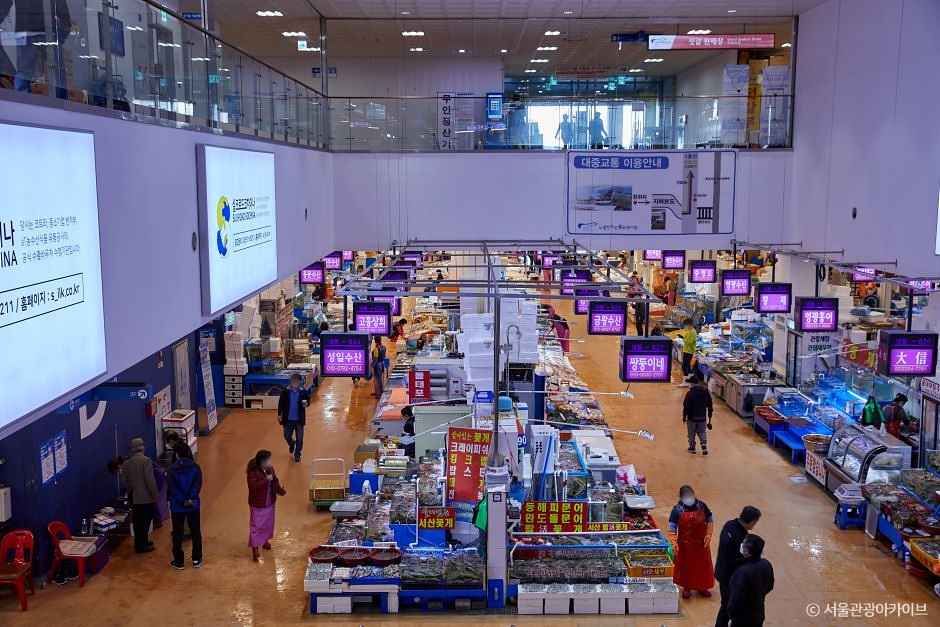
Right after the Chuseok holiday, the mood at Noryangjin Fish Market shifted. Kkotge is the blue-clawed swimming crab of Korea’s west coast, and sukkotge means the male. Koreans prize the roe-filled female in spring and the meat-filled male in autumn. If the male blue crabs on the tanks look unusually hard-shelled and heavy, that's because this is the exact moment their meat is fullest all year. But visitors who don't know the timing either pay the same price for a lesser bite, or get blindsided by costs they didn't expect.
Location: 674 Noldeul-ro, Dongjak-gu, Seoul — 150m from Line 1 Exit 9, or 70m via underpass from Line 9 Exit 7. Hours: open year-round, standard seafood 1:30am-10pm (busiest with visitors roughly 10am-3pm). Price: male blue crab around ₩18,000/kg (as of second week of Sept 2026). Second-floor dining extras: table-setting fee ₩2,000-4,000/person, spicy fish stew ₩4,000-5,000/person, steaming/cooking fees vary by shop. Contact: Noryangjin Susan Corp., 02-2254-8000.

The reason for the price swing is clear. Noryangjin's male-crab intake in the second week of September was 28,796kg — less than half of last year's 62,545kg for the same week. A shrinking catch collided with Chuseok gift-buying demand, and prices that sat around ₩7,000/kg in late August jumped 80% in under a month. Budgeting from last year's memory of "₩10,000 a kilo" falls apart fast.
In the pre-dawn market, the salty tang of the sea mixes with the faint fishy smell of melting ice, and crushed ice crunches underfoot. Past the merchants' gravelly calls and the bubbling hiss of tank aerators, the second floor greets you with pots of spicy crab stew rolling at a boil, steam rising warm against the market's cool air. Crack a claw with your hands and it snaps with a sharp pop, revealing meat that's salty with a faint sweetness and a springy, satisfying bite. Scoop the yellow tomalley from inside the shell over rice and the savory richness spreads instantly.
Knowing how the process works saves money too. You pick and weigh your own crab on the first floor, then carry it upstairs to a second- or fifth-floor restaurant for cleaning and cooking — and the table fee, stew charge, and steaming fee all stack on separately. Not knowing this can mean an unplanned ₩10,000-20,000 extra for two people. Prices vary shop to shop, so compare a few before buying. And since male crab peaks late September through October and thins out by November, chasing the "autumn crab" name too late in the season means paying the same money for far less meat.

Read next
- 2026-11-16Seoul Winter Festival 2026: Now 50 Days Long, Gwanghwamun Light Show and Market From Dec 11
- 2026-11-16Pyongyang Naengmyeon at Woo Lae Oak 2026: Prices Vary by Source — Seoul's Average Is Korea's Highest at 12,615 Won
- 2026-11-16Gyeongju Day Trip From Seoul 2026: Bulguksa and Seokguram Have Been Free Since 2023
- 2026-11-15Seoul Global Center and 7 Global Village Centers 2026: Free Help for Foreign Residents — Addresses, Phones, Hours
- 2026-11-15Seoul International School Tuition 2026: SIS vs German School Seoul — Fees, Grades, and the 9-Million-Won Gap
- 2026-11-15Cho Yong-pil Concert Seoul 2026: Nov 27-29 Dates, Ticket Prices, and How to Get to KSPO Dome