Bibimbap Price in Seoul 2026: Official August Average Is ₩11,923 — How Do You Spot a Rip-Off?

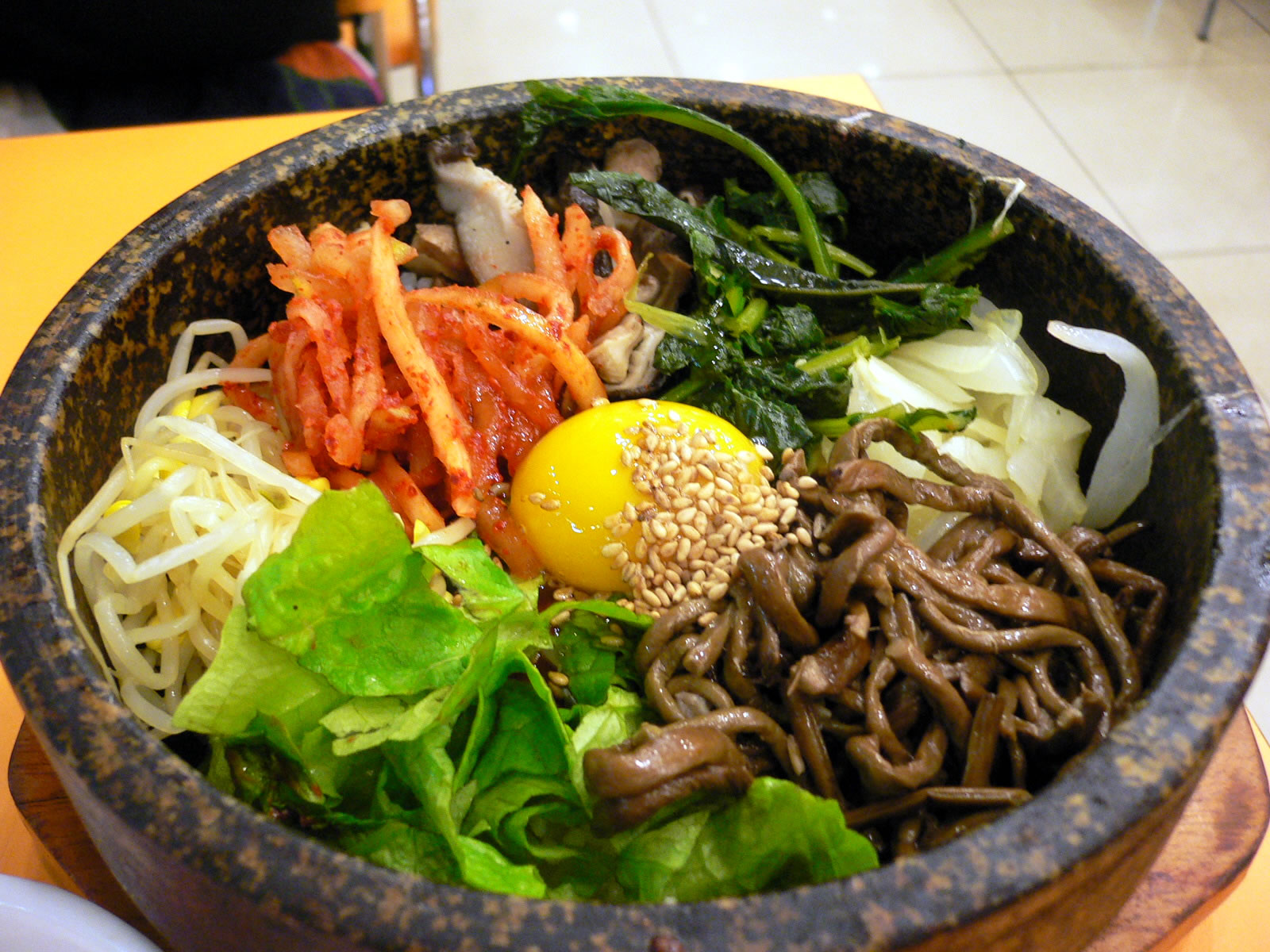
It's a common moment of confusion: a tourist orders bibimbap at a restaurant near Gyeongbokgung Palace, glances at the menu price, and isn't sure what to make of it. Prices for the "same" dish swing widely from restaurant to restaurant, and the price also changes depending on whether it arrives in a sizzling stone pot or a regular bowl. Without a reference price, there's no way to tell whether the bowl in front of you is fairly priced or marked up because you're a visitor.
At a glance: according to Chamgagyeok, the price-comparison portal run by the Korea Consumer Agency, the average price of a standard serving of bibimbap in Seoul as of August 2026 was ₩11,923. The same data put Seoul's average prices at ₩10,038 for kalguksu (knife-cut noodle soup), ₩18,269 for samgyetang (ginseng chicken soup), and ₩8,769 for kimchi-jjigae set meals. This pricing data is based on a survey provided by the Ministry of the Interior and Safety and is updated monthly on the Chamgagyeok site.
One thing worth knowing before you order: "dolsot bibimbap" and plain "bibimbap" are not the same menu item. Dolsot bibimbap arrives in a scorching-hot stone pot, which crisps the rice touching the bottom into a crunchy, scorched-rice layer, and most restaurants list it as a separate item priced higher than the regular version. If the menu doesn't say "dolsot," assume you're getting the regular version served in a room-temperature bowl.
After you've taken your photo of the neatly arranged gochujang, seasoned vegetables, egg, and meat sitting on top of the rice, the correct way to eat it, Korean-style, is to mix everything thoroughly with your spoon all the way to the bottom. It's also worth knowing that some of the seasoned vegetable side dishes are often flavored with fish sauce or beef stock, so travelers who don't eat meat should ask ahead of time, "Do you have a bibimbap made without meat stock?"
In the end, price is the clearest benchmark you have. If you come across a bibimbap near a palace or a famous tourist spot that's noticeably pricier than Seoul's ₩11,923 average, you can treat that gap as a tourist-area premium. On the other hand, cheaper than average isn't automatically the better choice either, so it pays to weigh the price alongside how many seasoned vegetables are included and whether meat or seafood toppings are part of the dish — that combination is what actually leads to a satisfying, reasonably priced meal.
Read next
- 2026-10-11Incheon Airport Express Train vs Local Train 2026: ₩8,250 Price Gap and How to Get to Seoul Station
- 2026-10-11Gyeongbokgung Starlight Tour 2026: Foreigner Dates (Oct 21-24), ₩60,000 Tickets, and How to Get There
- 2026-10-11TOMORROW X TOGETHER Seoul 2026: STEAL THE WIND at KSPO Dome Nov 13-15, Tickets From ₩165,000
- 2026-10-11Seoul Hotel Prices 2026: How Much Higher Is the Checkout Total Than the Listed Rate? (Up to 21%)
- 2026-10-10Jeonju Hanok Village 2026: KTX Travel Time from Seoul, Entry Fees, and Hanbok Rental Prices
- 2026-10-09Jajangmyeon Prices in Seoul 2026: Average Cost Up 3% to 7,731 Won This Year