Where People Left, Fog Moved In: Gochang's Ungok Ramsar Wetland
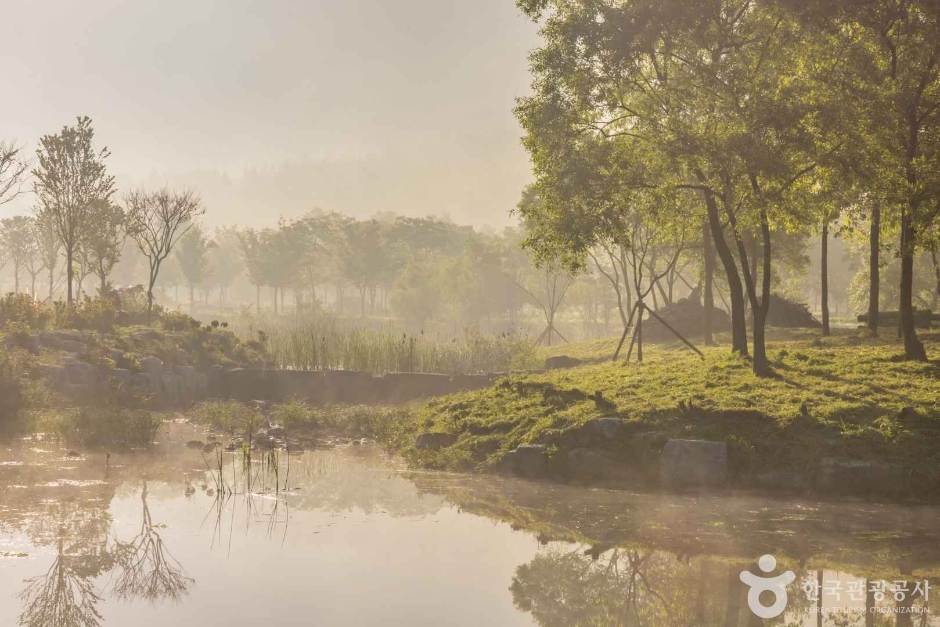
At 6 a.m., mist rises over the loop trail around Ungok Reservoir in Asan-myeon, Gochang County, Jeollabuk-do. Wooden boardwalk planks creak underfoot while an unnamed mountain bird's call drifts through the fog. The smell of wet grass and moss hangs in the air, and the pre-dawn chill brushes bare arms. As the mist thins, the reservoir's surface mirrors the surrounding ridgeline like glass. At this h
our, birds and fog wake before people do at Ungok Ramsar Wetland. Why now: mid-September marks the turn when the wetland's lush summer growth settles and migratory birds begin passing through, while cooling temperatures thicken the dawn mist. The local visitor center says this transitional season shows the wetland's restored ecology and quiet most clearly, more so than the height of summer or the b
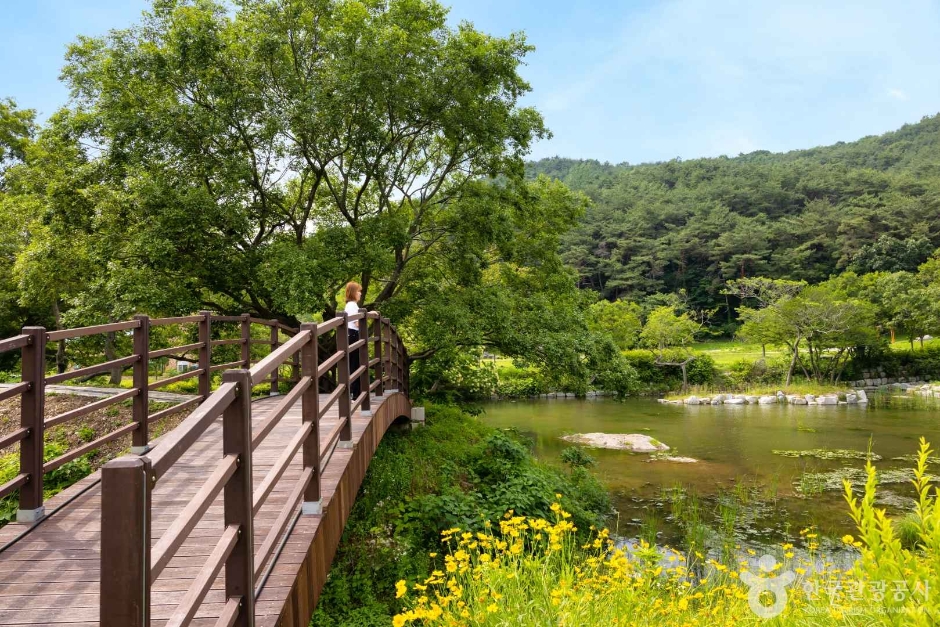
are stillness of winter. Where people left, the wetland moved in: Ungok was once farmed by generations of villagers. In 1981, Ungok Reservoir was built to supply cooling water for Hanbit Nuclear Power Plant (then Yeonggwang Nuclear Power Plant), submerging nine villages including Ungok-ri and Yonggye-ri in Asan-myeon and displacing 158 households, 360 residents. Over the following three decades, h
uman access was cut off, letting water seep back into abandoned rice paddies and hillsides while wetland vegetation took hold on its own. That recovery was recognized in April 2011, when the site was officially registered as a Ramsar wetland. Some 860 species in the fog: according to the visitor center, surveys have recorded roughly 860 species living in the wetland, including endangered wildlife s
uch as otters, leopard cats, fairy pittas and crested goshawks. Past the ecological pond near the entrance, a narrow wooden boardwalk — built just wide enough for one person — threads through the marsh, deliberately narrow so visitors pass through without encroaching on the habitat. [Practical info] - Location: Asan-myeon, Gochang-gun, Jeollabuk-do (Ungok Ramsar Wetland Ecological Park) - Getting t
here: Express buses run 16 times daily (first bus 07:05, last 19:00) from Seoul's Central City Terminal to Gochang Bus Terminal, about 3 hours 10 minutes; from there, take a taxi or rental car to Asan-myeon. By car, exit the West Coast Expressway at Gochang IC onto local roads. - Trail: Course 1 (wetland eco-park loop), 3.6 km, about 1 hour 40 minutes round trip. Course 2 (Ungok Reservoir circuit)
, about 2 hours 30 minutes. - Tour train: Runs Tuesday-Sunday (closed Mondays, Jan 1, Lunar New Year); March-October at 10, 11, 13, 14, 15, 16, 17:00; November-February, the same minus 17:00. One-way ride about 15 minutes. Fare: 1,000 won for elementary age and under, 2,000 won for middle-school age and up, free for age 65+ with ID. - Parking: Free eco-parking lot at 15 Ungokseowon-gil, Asan-myeon
. - Inquiries: Ungok Wetland Visitor Center, +82-63-564-7076. Alternative & one more step: on rainy days the boardwalk gets slippery, so the tour train is the safer choice; check opening hours and train operation at the entrance visitor center first to avoid a wasted trip. To catch the dawn mist, arriving just before sunrise is essential. Thirty years ago people left this valley empty; today fog a
nd birdsong fill the space instead — and that very stillness makes it one of the least crowded places to spend a fall morning in Korea. Stories like this one are also shared in real time in Korea Tourism Times' reader open-chat community — feel free to drop by and swap notes, no pressure to join. Korea Tourism Times Editorial Desk