Walking Through a Forest of Clay Jars to Brew Your Own Rice Wine at Sansawon, Pocheon
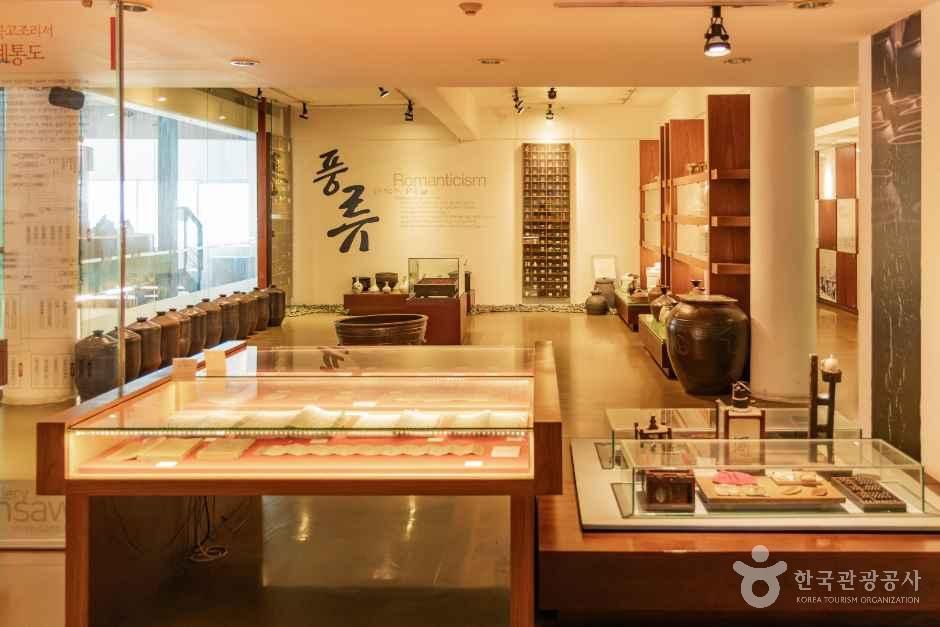
An hour's drive from Seoul, in the hills of Pocheon, Gyeonggi Province, sits a garden lined with hundreds of clay jars. At the end of the path is a workshop room where visitors knead steamed rice and fermentation starter with their own hands to brew traditional Korean rice wine -- the gayangju class at Sansawon, a traditional liquor museum. It suits travelers who want more than a glass of makgeolli (Korean rice wine) bought at a store -- who want to feel the moment fermentation begins with their own hands.
At a glance: location Sansawon, 25 Hwadong-ro 432beon-gil, Hwahyeon-myeon, Pocheon-si, Gyeonggi-do / hours 8:30am-5:30pm (last entry 5pm; closed on major holidays) / gayangju class KRW 30,000 per person (minimum group of 4, reservation required at least one week ahead) / admission KRW 4,000 for adults / inquiries +82-31-531-9300.
Walk past the front gate onto the path called "Sewollang," and the first thing that reaches your nose is the faintly sour, nutty smell of fermenting nuruk (Korean fermentation starter). On either side, hundreds of onggi -- traditional earthenware jars -- hold wine still quietly ripening inside them. Step into the workshop room and you'll find freshly steamed glutinous rice heaped on a stainless tray, still sending up wisps of steam; hold your hand near it and the warmth hits you at once.
Guided by the instructor, participants add nuruk and water to the cooled rice and begin kneading it by hand. The grains crumble and clump together into a sticky mass between your fingers, and the starter's sharp, distinctive scent seeps into your skin -- a sensation no glass of store-bought makgeolli can give you. Once the mixture is transferred into a jar, the hands-on lesson in gayangju -- the home-brewed wine culture that once existed in nearly every Korean household -- comes to a close.
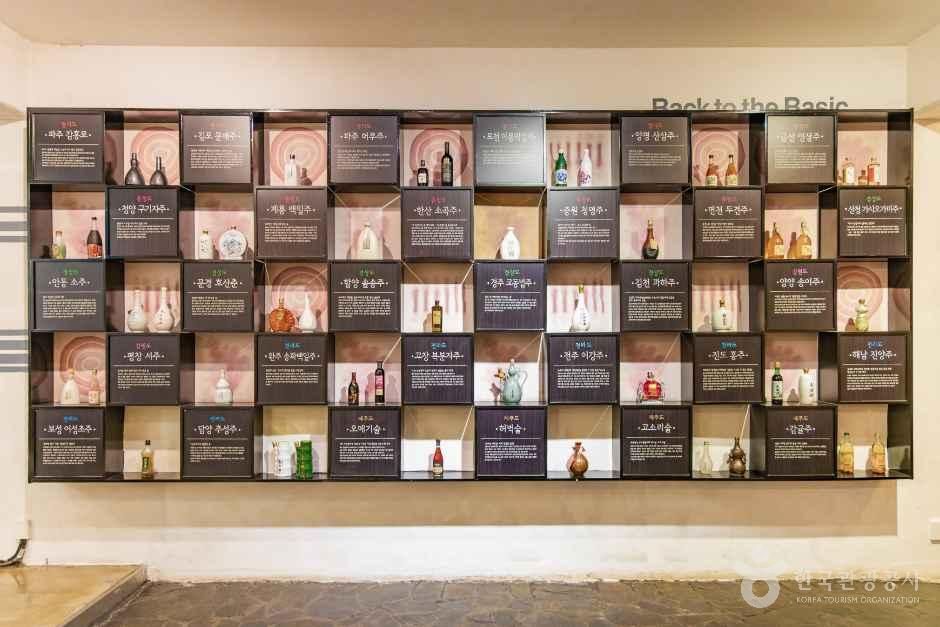
Afterward, visitors can taste the finished product at Sansawon's traditional liquor gallery. The tangy-sweet flavor of freshly strained makgeolli, its gentle natural carbonation, and the grain-sweet aftertaste it leaves in the throat all give the impression -- regardless of alcohol content -- that this drink is really an extension of a bowl of rice. Because reservations require a group of four or more, made at least a week in advance, solo travelers will find it more realistic to gather fellow travelers or join through a small-group tour program.