When American Tourists Tap to Pay in Seoul, Nothing Happens
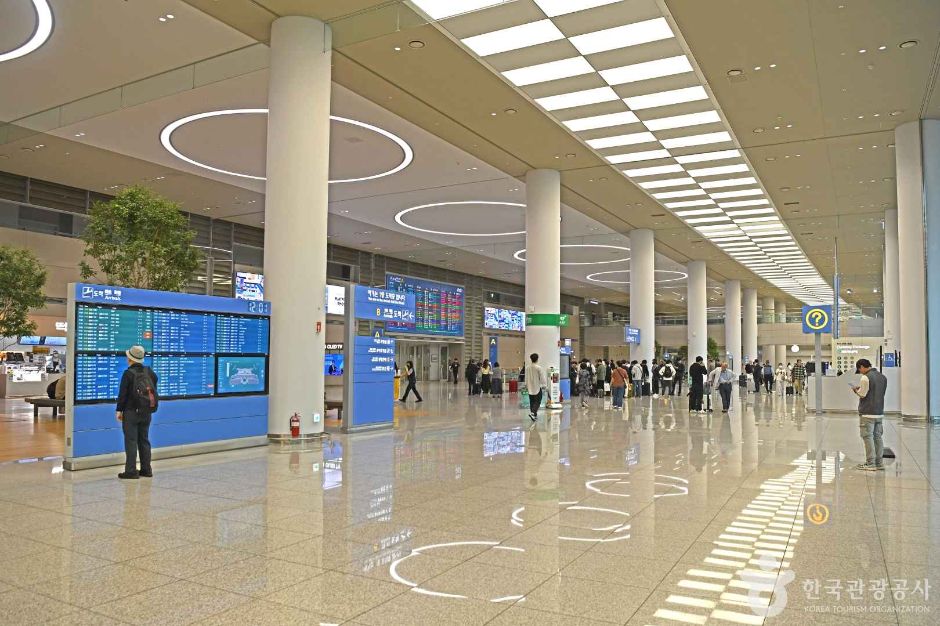
Outside a convenience store in Seoul's Jongno district, an American tourist fresh off the airport express train from Incheon holds up an Apple Watch to pay for a bottle of water. It is the same tap he has made a thousand times back home. Nothing happens. The clerk says, "Card or cash, please." For someone who has been traveling for weeks with nothing but a phone, it is a genuinely disorienting mom
ent. Tap-to-pay is second nature in the United States. Korea, meanwhile, has just made it easier for Americans to show up: the Ministry of Justice extended the K-ETA exemption for citizens of the US and 21 other countries through December 31, 2026, according to the Embassy of the Republic of Korea in the US. Getting in has gotten easier. Paying once you're outside the airport has not caught up. C
ard spending by non-resident foreigners in Korea hit a record $4.86 billion in the second quarter of 2026, up 36.1 percent from the previous quarter, according to figures compiled by the Credit Finance Association and cited by Global Economic. Behind that number sits a lot of friction from payment methods that simply don't line up. WHY APPLE PAY KEEPS FAILING When Apple Pay launched in Korea in M
arch 2023, only about 70,000 of the country's roughly 2.9 million stores — 2.4 percent — had NFC terminals, The Korea Herald reported at the time. Three years later, the gap persists. Citing Visa data, the Korea Herald reported that EMV contactless usage among consumers aged 20-59 in major Korean cities rose from 7.9 percent in 2023 to 45 percent in 2024. But Apple Pay in Korea is still officially
tied to a single local issuer, Hyundai Card — meaning a US-issued card sitting in a visitor's Apple Wallet can't even be registered here. WHY SEOUL'S FIX WITH APPLE FELL THROUGH Seoul city and transit operator T-money had been working on letting foreign iPhone users top up directly inside Apple Pay with an overseas card. According to an exclusive report by Korean tech daily ETNews on February 27
, 2026, the plan collapsed after technical talks with Apple stalled. As a workaround, T-money opened up its own separate "MobileTmoney" app to overseas cards instead. WHAT ACTUALLY WORKS RIGHT NOW Mastercard announced in an April 2026 press release that the MobileTmoney app had launched on the Apple App Store, letting international Mastercard holders load their card into Apple Wallet and tap thei
r iPhone or Apple Watch on subways, buses and taxis. Android users get the same function through the "Korea Tour Card" app on Google Play. It's a workaround, not Apple Pay itself — a separate app and sign-up are required, and only Mastercard, Amex and UnionPay are supported. Visa cardholders are out of luck even here. On the ground, the frustration runs deeper than transit. Citing a preliminary Q4
report from the state-affiliated Korea Culture and Tourism Institute's 2025 foreign visitor survey, financial daily Money Today reported on May 24, 2026, that "outside major franchises and convenience stores, small restaurants and traditional markets rarely have terminals that support Apple Pay or similar services, and even where terminals exist, many don't accept foreign-issued cards." In the sa
me survey, "financial information" was the fourth most-cited information gap among tourists at 11.0 percent, behind transit info (16.1 percent) and food info (13.3 percent). QUICK REFERENCE - K-ETA waiver: Citizens of the US and 21 other countries can enter without a K-ETA through December 31, 2026, but must submit an e-Arrival Card online before departure (Embassy of the Republic of Korea in the
US). - Apple Pay's only official Korean card partner is Hyundai Card; foreign-issued cards cannot be registered to Korean Apple Pay. - Transit workaround: install "MobileTmoney" (iPhone) or "Korea Tour Card" (Android), load a Mastercard, Amex or UnionPay card (no Visa), then tap at subway gates, buses and taxis. - The surest fix remains the oldest one: load cash onto a physical T-money card at a
convenience store or subway top-up kiosk. If you planned to leave your wallet at home the way you would in the US, make an exception for at least your first day. One physical card, a little cash, and five minutes spent installing the app above before you fly — that's what keeps you from freezing at a Seoul convenience store counter. Korea Tourism Times Editorial Desk