Seoul Subway Transfers 2026: No Transit Card, No Discount

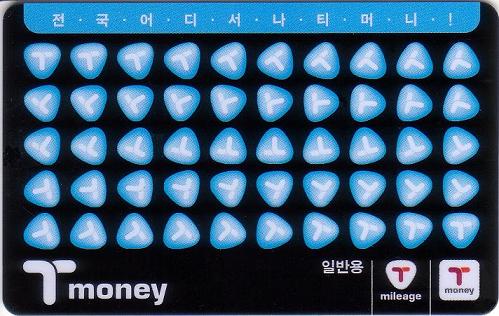
Bottom line: To get the transfer discount on Seoul-area subways and buses, you need to tap a single registered transit card — T-money, the Climate Card, or similar — at the reader both when you board and when you get off, every single time. If you buy a new single-journey disposable card for each ride instead, you get no transfer discount and pay the full base fare again on every leg.
If you didn't know: If you forget to tap out when you get off, the transfer chain breaks right there, and your next ride is charged as a brand-new trip instead of a transfer — the full 1,550-won base fare again. Transferring more than 30 minutes after you tapped out (60 minutes between 9 p.m. and 7 a.m.) also doesn't count as a transfer.
Transfer rules — one card per person, tap the next mode within 30 minutes of tapping out (60 minutes 9 p.m.–7 a.m.), up to 4 transfers (5 rides total) get the discount; transfers on the same line or same vehicle don't qualify · Base fare (since the first train on June 28, 2025): 1,550 won with a transit card, 900 won for teens, 550 won for children · Distance surcharge: +100 won per 5km between 10–50km, +100 won per 8km beyond 50km · Transit inquiries: Seoul 02-120, Incheon 032-120, Gyeonggi 031-120, or news.seoul.go.kr/traffic.
According to the Seoul Metropolitan Government transportation website's "Integrated Transfer Discount System" page, the transfer discount applies when one person uses a single card to board a different mode of transport within 30 minutes of tapping out (60 minutes overnight), for up to 4 transfers — 5 rides total — and does not apply to transfers on the same line or the same vehicle. The distance-based surcharge for metro-area subways is the base fare up to 10km, then 100 won per 5km from 10–50km, and 100 won per 8km beyond 50km. For the transfer system to work, you must tap your card at the reader on both boarding and alighting; skipping the tap-out breaks the transfer chain from that point, and the base fare is charged again on the next ride. The transit-card base fare rose from 1,400 won to 1,550 won starting with the first train on June 28, 2025. All three regions — Seoul, Incheon and Gyeonggi — share the same area-code-plus-120 transit inquiry line. Where to buy a physical transit card and exactly how much it costs varies by retailer, so no single official price could be confirmed — they're sold at subway station vending machines and convenience stores. This was confirmed on 2026-11-02 on the Seoul Metropolitan Government transportation website's (news.seoul.go.kr/traffic) "Integrated Transfer Discount System" page, and on the Etoday (etoday.co.kr) article reporting the 2025 metro-area subway fare increase.
Journey stage: During the trip · Verified 2026-11-02
Read next
- 2026-11-02Seoul Taxi Overcharge 2026: Report via QR or Call 120
- 2026-11-02National Pension Lump-Sum Refund Korea 2026: The 5-Year Deadline and Which Countries Qualify
- 2026-11-02Is Korea Expensive in 2026? Seoul vs NY, Tokyo Prices
- 2026-11-02Korea Duty-Free Alcohol Limit 2026: 2L or $400 Cap
- 2026-11-02Korea Tax-Free Shopping 2026: Spend Over 1 Million Won at Once and Your Instant Refund Drops to Zero
- 2026-11-01Bringing Adderall to Korea 2026: Do You Need a Permit, and How Long Does It Take?